
BIOMIMETIC FILLINGS
Natural looking fillings that retain most of your tooth structure and mimics the original appearance of your teeth. Looks more natural than traditional dental fillings. Suitable for patients who have dental caries or tooth damage. Best for patients who prefer not to be able to see their dental fillings.
BOOKING AN APPOINTMENT
Phone: +65 6333 4456 (24 hour emergency hotline)
Email: patient-care@elitedental.com.sg
Whatsapp: +65 9788 9407 (replies during working hours)
What are dental fillings?
Fillings are used to repair decayed teeth. Bacteria living on the surfaces of the teeth digest sugary/starchy food residue making cavities in the process.
How do I know when I need a filling?
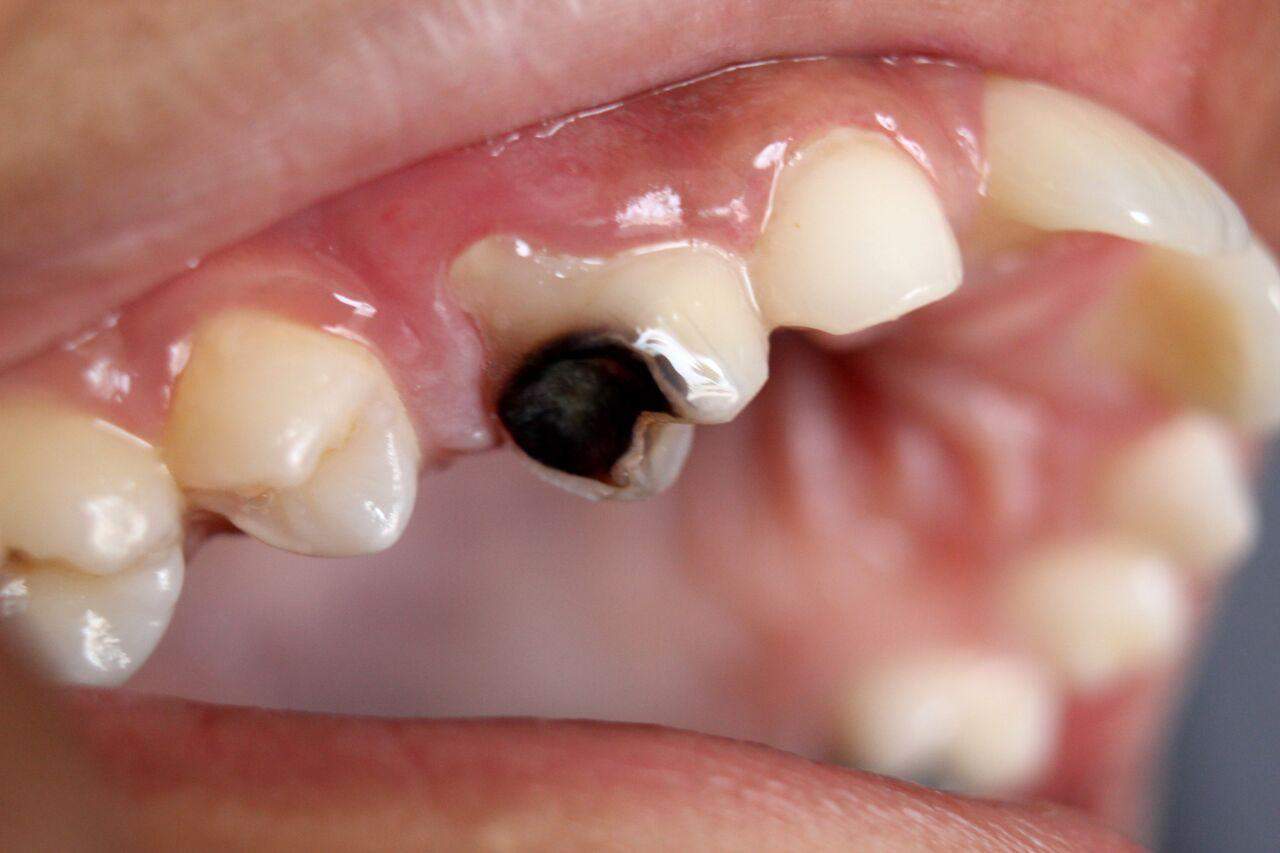
A decayed tooth may have a dark brown or black area visible externally. Also, the decay process may have hollowed out the tooth causing it to cave in or break off partially.
When the decay is still in the early stages, the tooth may look normal with no signs or symptoms at all! Dental x-rays help your dentist to see early decay that is unseen by the naked eye. Decay in between the teeth, underneath the gum, under old fillings or crowns can be uncovered by x-rays. Fillings are generally successful when done at this early stage. Certain very early stages of decay may only require monitoring and preventive treatment (fluoride varnish, fissure sealants).
On the other hand, if the decay is deep and aggressive, and has begun to infect the nerve (pulp) of the tooth, you may start to experience a toothache. This cannot be resolved with only a filling. A root canal treatment or an extraction with a tooth replacement with a dental implant is required at this stage.

What are dental fillings made of?
- Mercury Amalgam
- Composite resin (tooth-coloured plastic)
- Porcelain
- Cast Metal or Gold
Composite fillings perform well in small to medium-sized cavities.
Porcelain and cast metal/gold are better for filling large cavities and for reinforcing cusps in root canal-treated teeth. Gold is also the strongest yet least-abrasive filling material with the longest track record of success.
Elite Dental is a mercury-free practice and we do not offer amalgam as a material option.
How is a composite resin filling done?
Step 1: Removing the decay
First, your tooth and the surrounding tissues will be numbed with local anaesthetic. Decay and any old and defective filling material is then removed from your tooth.
Step 2: Adhesive application
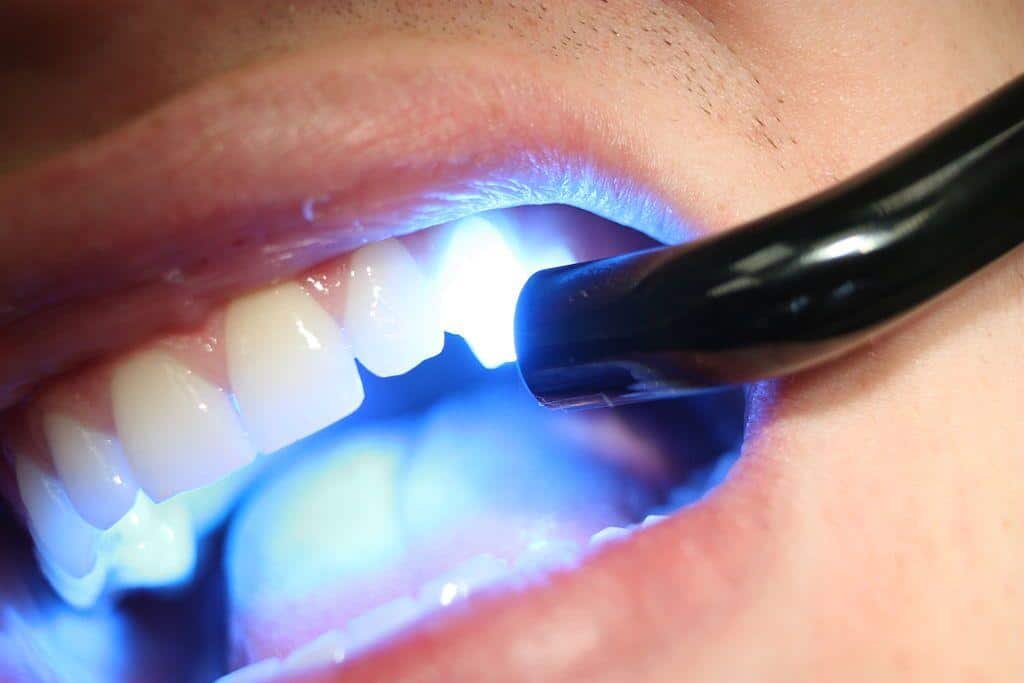
The fresh cavity is roughened with a chemical etchant. The etched surface is painted with an adhesive that will bond the filling material to your tooth and protect the cavity surface. The adhesive layer is set with a special light.
Step 3: Filling the cavity
Composite material is then placed incrementally, layer by layer, into the cavity and carefully adapted to the cavity walls. The composite is then hardened with a light. Finally, your bite is checked and the filling is polished.
Frequently Asked Questions
Can’t find an answer? Call us at (65) 6333 4456 or email patient-care@elitedental.com.sg
What is the difference between dental fillings and biomimetic fillings?
Dental fillings are typically made out of materials like composite resin. They are usually placed to fill a cavity after decay removal. Some dental fillings may appear as a whitish-looking lump that blends in with the color of your tooth.
Biomimetic fillings fulfill the same purpose as dental fillings. However, the main difference is that biomimetic fillings aim to mimic the appearance and function of your natural teeth. They use composite materials and adhesive techniques to bond with the tooth, restoring your tooth to its original strength and appearance.
What is the difference between biomimetic fillings and dental crowns?
Biomimetic fillings preserve more natural tooth structure and are often used for small to medium-sized cavities or tooth damage. Biomimetic fillings do not last permanently. Although they are built to last for many years, the longevity of biomimetic fillings are dependent on factors such as your oral hygiene practices, your lifestyle habits, as well as the size and location of your restoration.
Dental crowns cover the entire visible portion of the tooth and are usually used when a tooth has undergone extensive damage or root canal treatment. Dental crowns have a treatment longevity of more than 15 years with proper care.
How long do biomimetic fillings last?
Most biomimetic fillings can last for years if done by an experienced dentist, and with proper care and oral hygiene practices. Biomimetic fillings are built to last and are usually the preferred option for long-lasting dental restorations without the use of a dental crown.
Can biomimetic fillings last 30 years?
Yes it is possible for biomimetic fillings to last 30 years if the treatment was rendered well and with the right post-treatment care and oral hygiene. In fact, many patients who have received biomimetic fillings remain symptom-free for decades.
However, do not expect all biomimetic fillings to last 30 years. While these fillings are built to last, it is still uncommon for dental restorations to last 30 years. Regular check ups and excellent oral health and hygiene can help prolong the longevity of biomimetic fillings but you might have to replace them after some time.
Can I use insurance for biomimetic fillings treatment?
It might be possible to use dental insurance for biomimetic fillings treatment. However, you would have to check with your dental insurance provider.
Can I use Medisave for biomimetic fillings treatment?
It is not possible to use Medisave for biomimetic fillings treatment as it is a non-surgical procedure. Medisave covers surgical dental procedures like dental implants, gum or bone grafting or wisdom tooth surgery.