Scaling and Polishing (SAP)
What is Scaling and Polishing (SAP)?
Scaling and polishing is a teeth cleaning and dental hygiene maintenance procedure that removes plaque and tartar build-up from your teeth.
Even with regular brushing and flossing, plaque and calculus can build up on your teeth. When plaque and calculus is not removed and hardens, there is a higher likelihood of tooth decay, gum disease and bad breath.
Professional dental cleaning like Scaling and Polishing (SAP) or the discomfort-free Guided Biofilm Therapy (GBT) can help remove stubborn tartar and plaque from below your gum line. This helps keep your teeth looking and feeling fresh, while avoiding potential costlier dental treatments
“Scaling and polishing can be an effective first-step to getting better looking teeth! Many patients are shocked at how white their teeth are below the surface stains, especially if they are heavy coffee, tea or alcohol drinkers. Scaling and polishing is also an effective preventative method of reducing the risk of gingivitis, gum disease and dental decay“
Scaling and Polishing (SAP) Explained
At Elite Dental Group, we highly recommend heading to your dentist or oral health therapist for a dental cleaning once every 6 to 12 months to improve your oral health and reduce teeth surface stains.
Benefits of Scaling and Polishing (SAP)
Scaling and Polishing (SAP) is:
- Able to remove plaque and tartar from your teeth
- Able to remove excess food from your teeth that you might not be able to reach with your brush and floss
- Able to remove plaque and tartar from below your gum line
- Able of removing surface stains for a brighter and clearer smile
- Able to polish and smoothen out the surface of the teeth to prevent accumulation of stains and bacteria


What is the typical Scaling and Polishing (SAP) patient journey like?
During the cleaning session, your dentist or oral health therapist will use ultrasonic scalers to remove hardened plaque and tartar that has been stuck to your teeth. This instrument removes dirt with ultrasonic vibrations that can remove tartar way faster than a manual hand scaler – a tool used in the past to do scaling.
Once scaling has been done, a spinning polishing cup or brush to remove plaque and stains is used to polish your teeth and remove plaque and stains from the surface of your teeth. This process smoothes out external surfaces and makes it harder for dirt to get attached to the surface of your teeth.
After the scaling and polishing has been completed, your dentist or oral health therapist might apply a concentrated fluoridated gel on your teeth. The purpose of this gel is to prevent tooth decay by making it more resistant to bacteria from acid attacks in your mouth.
What is the cost of Scaling and Polishing (SAP)?
To view the breakdown of fees for Scaling and Polishing (SAP), please view the following:
Why should I do Scaling and Polishing (SAP) with Elite Dental Group?
Who will be doing Scaling and Polishing (SAP) for you at Elite Dental Group?
Scaling and Polishing
Regular professional cleaning (scaling and polishing) is essential in keeping your teeth as clean as possible. While daily brushing and flossing are no less important, there may be certain areas of the mouth that are hard to reach. Plaque and tartar tend to build up in these hard-to-reach areas.
Some of our patients have mentioned that they have avoided the dentist for a long time because the scaling and polishing visits are often uncomfortable and with lots of sensitivity and bleeding.
Let us reassure you that we will do all that we can to be as gentle as possible and to take into account any negative or traumatic experiences you may have had with scaling done at your previous dentist.
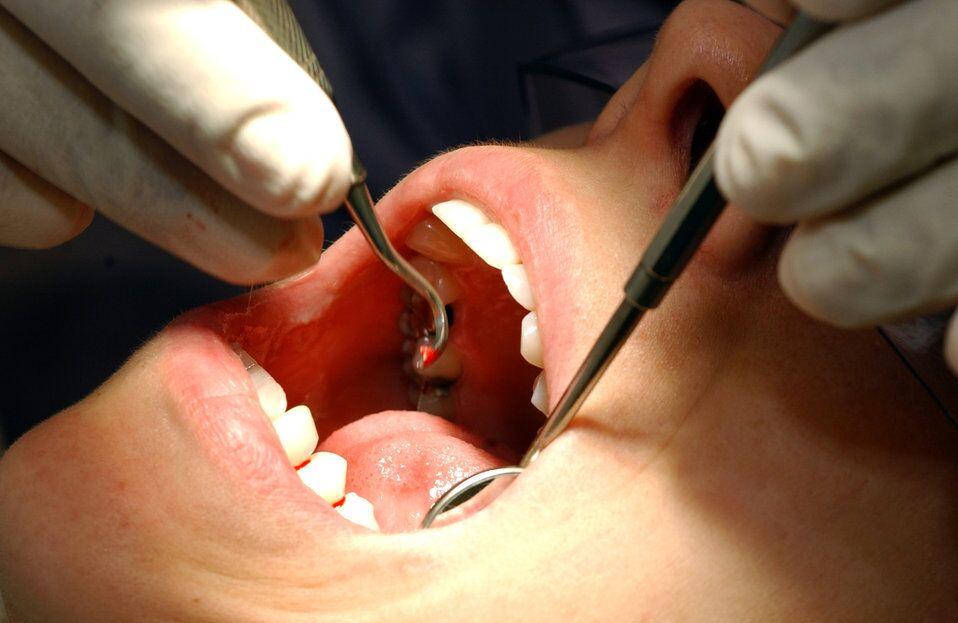
Scaling and polishing is part of your active maintenance visits at Elite Dental.
What are the benefits of scaling & polishing?
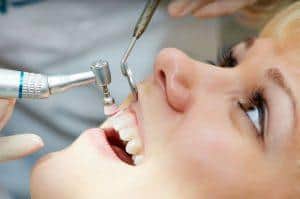 Scaling helps to remove plaque, food debris and tartar (calcified plaque, almost like how fossils are formed!) that have built up on your teeth over time. If left to accumulate, these bacterial deposits can cause cavities and swollen, bleeding gums. Polishing helps to remove external stains (from coffee, tobacco, red wine or food) from the surfaces of your teeth.
How is teeth whitening different from polishing?
Polishing, however, simply removes the stains on the surface of the teeth. For teeth, ZOOM teeth whitening
How often should we have our teeth professionally cleaned?
Active maintenance visits should take place every four to six months. These visits are also important for monitoring dental conditions such as early decay that is painless. If you have been treated for gum disease or had extensive dental treatment, maintenance may need to be as frequent as 3 months.
Patient FAQs
How long is a Scaling and Polishing (SAP) appointment?
How do I know whether I am suitable for Scaling and Polishing (SAP)
However, if you are wearing an orthodontic device such as braces, have existing dental treatment done (e.g. dental implants, crowns) or simply have sensitive teeth, and would like a gentler cleaning method, your dentist might recommend Guided Biofilm Therapy instead of proceeding with Scaling and Polishing (SAP).
Why should I go for Scaling and Polishing (SAP)?
Can my child go for Scaling and Polishing (SAP)?
The dental cleaning approach for younger children differs from that of older children. At Elite Dental Group, we use a combination of hand scalers and gentle polishing with dental tools for very young children. Ultrasonic equipment is used for older children.
Can I eat immediately after my Scaling and Polishing (SAP) appointment?
Although there are no restrictions on whether you can eat immediately after getting your teeth professionally cleaned, it is still recommended to hold off eating and drinking foods that can stain your teeth at least 30 minutes after your dental cleaning procedure.
In the event that you receive fluoride treatment with your dental cleaning, you might want to wait for at least 30 minutes after your dental cleaning to eat and drink. This helps to ensure that your fluoride treatment has enough time to seal itself around your teeth.
Can I use insurance for Scaling and Polishing (SAP)?
Many patients offset the full or partial cost of their cleaning procedures with personal or corporate insurances that cover dental treatments.
Should you wish to find out more about your coverage for professional dental cleaning, our patient experience specialists are more than happy to check on your dental coverage for you.
Can I use Medisave or CHAS Card for Scaling and Polishing (SAP)?
However, it is possible to use your CHAS card at Elite Dental Group to enjoy a subsidized rate on your dental cleaning procedure. To receive subsidies on your treatment, simply produce a valid CHAS, MG, PG or NRIC during your dental visit.
Is Scaling and Polishing (SAP) good for my teeth?
Scaling and Polishing (SAP) is good for your teeth as it maintains good oral hygiene to prevent dental problems. A healthy set of teeth also improves your overall health, reducing the risk of dental-related health problems.
Does Scaling and Polishing (SAP) my teeth cause cracks?
If teeth cracks are a cause for concern, you might wish to request for Guided Biofilm Therapy (GBT) instead of Scaling and Polishing (SAP).
How often should I do Scaling and Polishing (SAP)?
If you have been treated for gum disease or have had extensive dental treatment previously, Scaling and Polishing (SAP) needs to be as frequent as every 3 months.
Is Scaling and Polishing (SAP) good for sensitive teeth?
While Scaling and Polishing (SAP) might be suitable for most patients, it is a contact-type dental cleaning method. Guided Biofilm Therapy, on the other hand, is a non-teeth contact cleaning method and will be more suitable for sensitive teeth.
Is Scaling and Polishing (SAP) painful?
If you are worried about pain, it is possible to request for a local anesthetic for a pain-free teeth cleaning experience.
Is it normal for my gums to bleed during teeth cleaning?
However, there is nothing to worry about should your gums bleed during a thorough cleaning.
What is the difference between polishing and teeth whitening?
Still interested in scaling & polishing ?
It is natural for patients to have some apprehension about undergoing dental implant treatment. If you or your loved one is interested in taking up dental implants but are still deliberating on it, we invite you to have a free virtual consultation with our dentists.