
Fillings
A dental implant is a permanent teeth alternative to dentures or dental bridges.
Dental implants can help replace missing teeth permanently and are built so that they closely resemble your natural teeth.
Implants can feel more comfortable in comparison to alternative teeth replacement techniques.
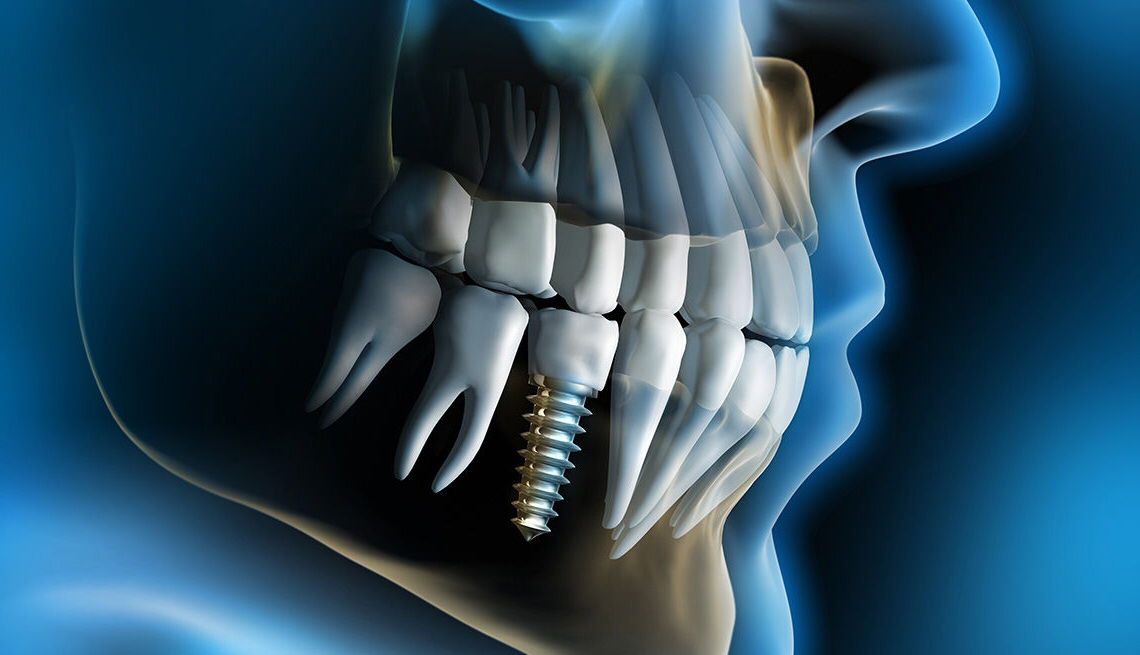
What are dental implants?
Contrary to popular belief, the dental implant placement is fairly straightforward and involves minimal discomfort – especially when performed by an experienced dentist who is extensively trained.
What are dental implants?
What are the benefits of dental implants?
What are the different types of dental implants?
When are dental implants needed?
What is the dental implant patient journey like?
How much do dental implants cost?
” Dental implants can be very intimidating. I have created this treatment page to be as simple as possible so that you are able to make the best decision for yourself and your needs.”
Dental Implants Explained
Dental implants can help replace missing teeth permanently and are built so that they closely resemble your natural teeth.
Implants can feel more comfortable in comparison to alternative teeth replacement techniques.
Benefits of Dental Implants
Dental implants are now widely accepted as the gold standard of replacing missing teeth for the vast majority of patients. There are multiple other benefits of having dental implants over other methods of replacing missing teeth, such as:

Feels Natural
Dental implants feel just like natural teeth.
Feels Natural
Feels Natural
Feels Natural
Dental implants feel just like natural teeth.
Feels Natural
Feels Natural
What are dental fillings?
Fillings are used to repair decayed teeth. Bacteria living on the surfaces of the teeth digest sugary/starchy food residue making cavities in the process.
How do I know when I need a filling?
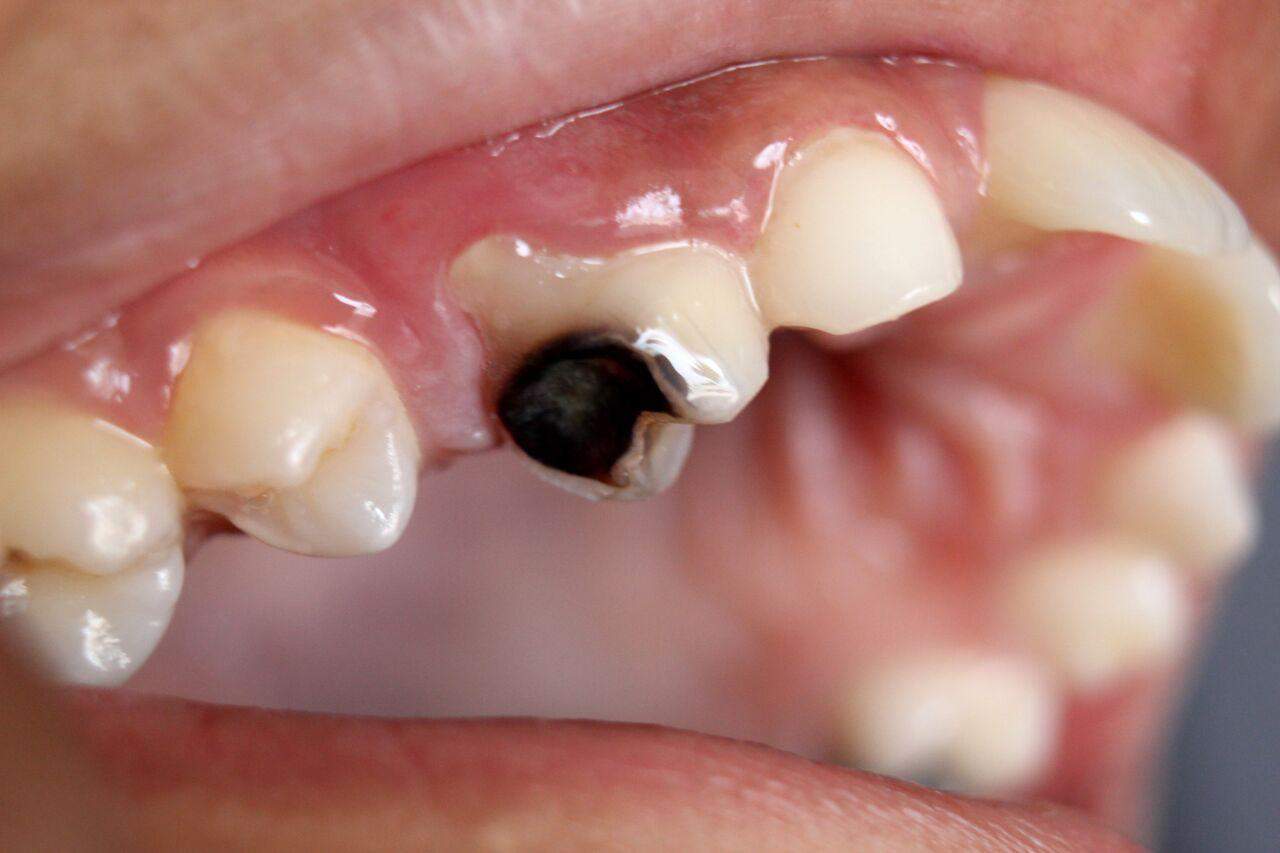
A decayed tooth may have a dark brown or black area visible externally. Also, the decay process may have hollowed out the tooth causing it to cave in or break off partially.
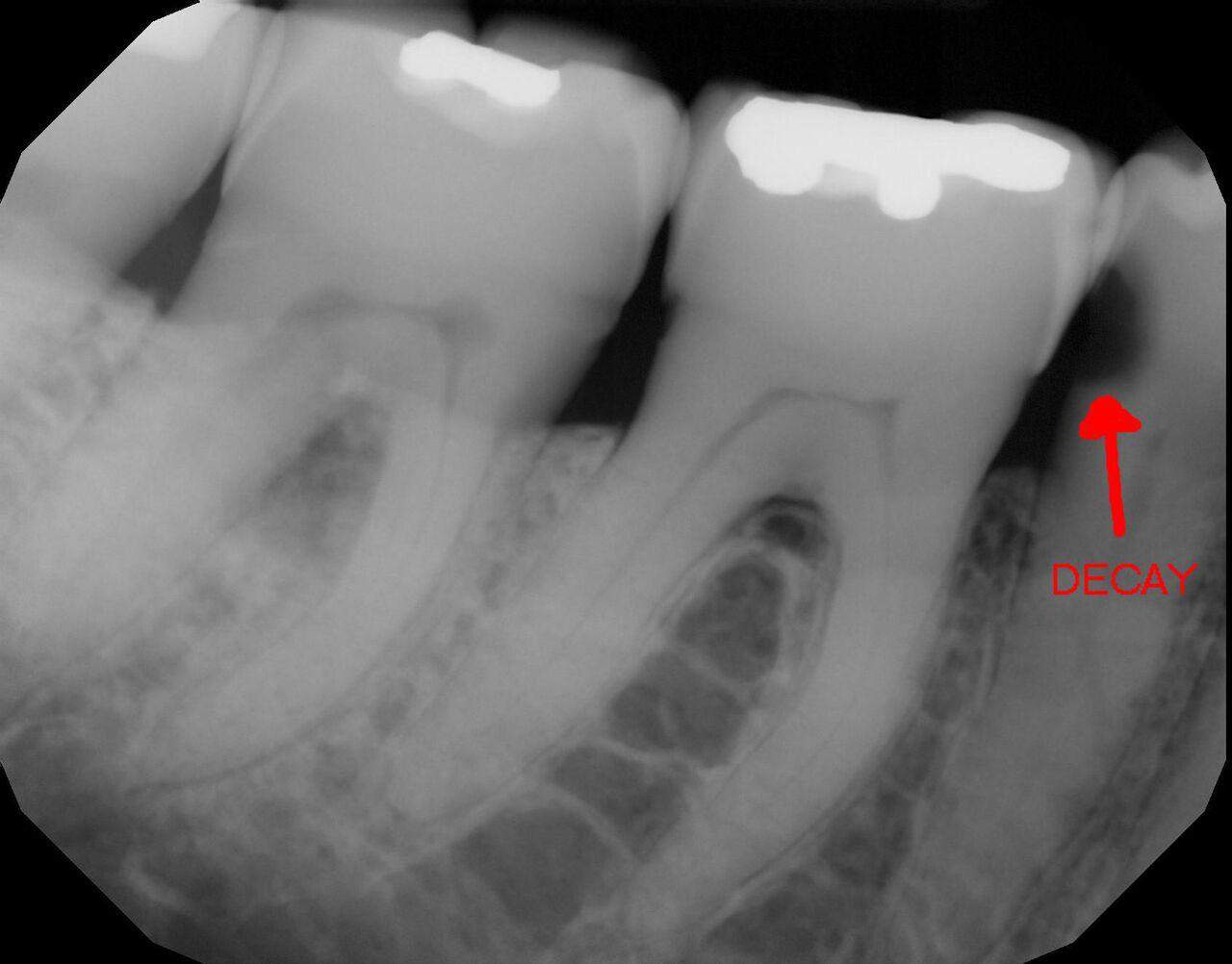
When the decay is still in the early stages, the tooth may look normal with no signs or symptoms at all! Dental x-rays help your dentist to see early decay that is unseen by the naked eye. Decay in between the teeth, underneath the gum, under old fillings or crowns can be uncovered by x-rays. Fillings are generally successful when done at this early stage. Certain very early stages of decay may only require monitoring and preventive treatment (fluoride varnish, fissure sealants).
On the other hand, if the decay is deep and aggressive, and has begun to infect the nerve (pulp) of the tooth, you may start to experience a toothache. This cannot be resolved with only a filling. A root canal treatment or an extraction with a tooth replacement with a dental implant is required at this stage.
What are dental fillings made of?
- Mercury Amalgam
- Composite resin (tooth-coloured plastic)
- Porcelain
- Cast Metal or Gold
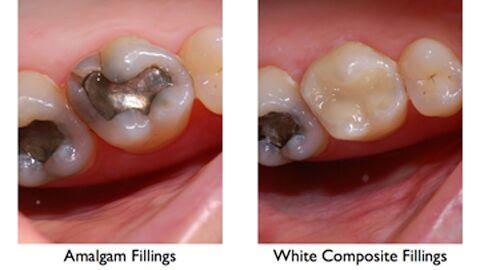
Composite fillings perform well in small to medium-sized cavities.
Porcelain and cast metal/gold are better for filling large cavities and for reinforcing cusps in root canal-treated teeth. Gold is also the strongest yet least-abrasive filling material with the longest track record of success.
Elite Dental is a mercury-free practice and we do not offer amalgam as a material option.
How is a composite resin filling done?
Step 1: Removing the decay
First, your tooth and the surrounding tissues will be numbed with local anaesthetic. Decay and any old and defective filling material is then removed from your tooth.
Step 2: Adhesive application
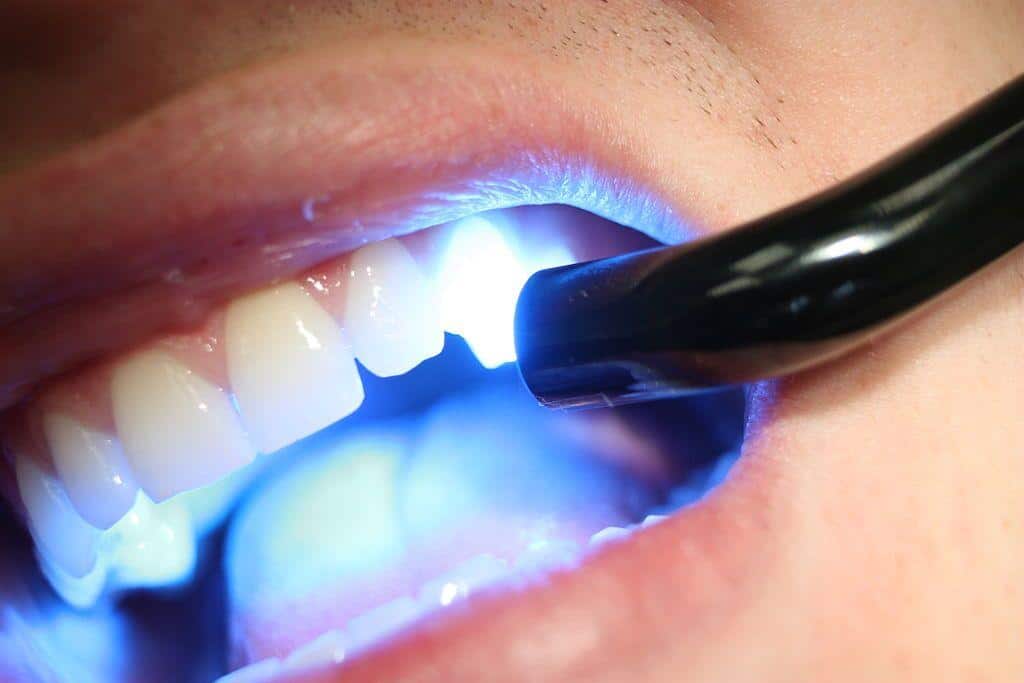
The fresh cavity is roughened with a chemical etchant. The etched surface is painted with an adhesive that will bond the filling material to your tooth and protect the cavity surface. The adhesive layer is set with a special light.
Step 3: Filling the cavity
Composite material is then placed incrementally, layer by layer, into the cavity and carefully adapted to the cavity walls. The composite is then hardened with a light. Finally, your bite is checked and the filling is polished.
Patient FAQs
How do I know whether I need dental implants?
What sort of dental implants do I need?
Donec rutrum congue leo eget malesuada. Proin eget tortor risus. Vivamus magna justo, lacinia eget consectetur sed, convallis at tellus. Nulla porttitor accumsan tincidunt. Curabitur non nulla sit amet nisl tempus convallis quis ac lectus.
What is the difference between an immediate and delayed dental implant?
Donec rutrum congue leo eget malesuada. Proin eget tortor risus. Vivamus magna justo, lacinia eget consectetur sed, convallis at tellus. Nulla porttitor accumsan tincidunt. Curabitur non nulla sit amet nisl tempus convallis quis ac lectus.
Praesent Sapien Massa Convallis?
Donec rutrum congue leo eget malesuada. Proin eget tortor risus. Vivamus magna justo, lacinia eget consectetur sed, convallis at tellus. Nulla porttitor accumsan tincidunt. Curabitur non nulla sit amet nisl tempus convallis quis ac lectus.
How much do dental implants cost at Elite Dental Group?
Donec rutrum congue leo eget malesuada. Proin eget tortor risus. Vivamus magna justo, lacinia eget consectetur sed, convallis at tellus. Nulla porttitor accumsan tincidunt. Curabitur non nulla sit amet nisl tempus convallis quis ac lectus.
Why are dental implants so expensive?
Donec rutrum congue leo eget malesuada. Proin eget tortor risus. Vivamus magna justo, lacinia eget consectetur sed, convallis at tellus. Nulla porttitor accumsan tincidunt. Curabitur non nulla sit amet nisl tempus convallis quis ac lectus.
Still interested in dental implants?
It is natural for patients to have some apprehension about undergoing dental implant treatment. If you or your loved one is interested in taking up dental implants but are still deliberating on it, we invite you to have a free virtual consultation with our dentists.