
Invisalign
Transform your smile with natural-looking perfection.
Invisalign Explained
Invisalign is a system of clear aligners that uses gentle force to gradually shift teeth into the desired position.
Quote:
“Invisalign is a great alternative to braces if you have excellent discipline in wearing your clear aligners. Most patients who undergo Invisalign treatment take it up because of the discreet appearance.”
Book an appointment for Invisalign treatment.
Invisalign Benefits
The immediate benefits of Invisalign are:
- Discreet appearance
- Comfortable to wear
- Removable
- Supports better oral hygiene
- Do not need to change or restrict your diet
- No occurrence of painful ulcers or broken wires
Invisalign at Elite Dental
At Elite Dental Group, we provide treatments with an emphasis on patient safety and adherence to established clinical protocols.
| 1st Visit – Consultation | During your initial consultation, we will first discuss your treatment goals with you. A clinical assessment is also done to ensure that you are suitable for Invisalign. Following the assessment, photos, molds or intra-oral scans and X-rays of your teeth will be taken to design your treatment plan. |
| 2nd Visit – ClinCheck | The photos, molds or intra-oral scans and x-rays will be sent to Invisalign to create a virtual 3-D model of your teeth as well as to plan the tooth movements required at each treatment stage. This virtual 3D simulation is called a Clincheck. Once the Clincheck has been explained to you and approved, your unique Invisalign aligners will be printed and shipped to our practice. |
| 3rd Visit – Invisalign Clear Aligners are Issued | You are required to wear your aligners for 20 to 22 hours daily. Aligners are NOT worn during meals and NOT worn for flossing/brushing. Compliance with aligner wear is crucial for treatment success.At your first visit, you will have customized buttons glued on to your teeth, called Invisalign attachments. These attachments help by improving the grip and fit of the aligners onto your teeth to help your teeth to move.You will need to change your aligners as directed by your dentist. Each set of aligners will gently and gradually shift your teeth into place, until your ideal smile is achieved.You will be monitored during the Invisalign treatment process. Monitoring visits take place every 6-8 weeks. |
| End of Invisalign Treatment | Once you have reached the end of your Invisalign treatment, the attachments are removed from your teeth and a set of removable retainers will be made.Retainers help prevent relapse (where the teeth shift after alignment is complete). Relapse can occur very soon after stopping treatment or occur many years later. |
Invisalign Treatment Duration
The average treatment duration for Invisalign treatment is about 9 to 15 months for moderate orthodontic alignment cases.
Invisalign Cost in Singapore
The cost of Invisalign in Singapore varies according to the experience of the dentist as well as the complexity of the orthodontic case. Prices can range from $5,800 – $9,800 (before GST).
This pricing includes all necessary intraoral scans and treatment planning. Extractions and retainers are usually not included in the final fee.
To view the breakdown of fees for Invisalign at Elite Dental Group, please view the following table:
| Moderate | Complex | |
|---|---|---|
| Cost of Invisalign | $5,800 - $7,800 | $7,800 - $9,800 |
Financing Invisalign
If you are thinking of heading to Elite Dental Group for Invisalign, there are a few ways you can finance your dental implant treatment.
| Major Banks | We accept interest-free installment payments from all major banks. |
| Buy Now Pay Later (BNPL) | We have existing collaborations with BNPL platforms like Atome and PayLater to help reduce the upfront expenditure of your dental treatments. |
| Dental and Corporate Insurance | We are on multiple dental and corporate insurance panels to provide more accessible dental care to you. |
Why Should I Do My Invisalign with Elite Dental Group?
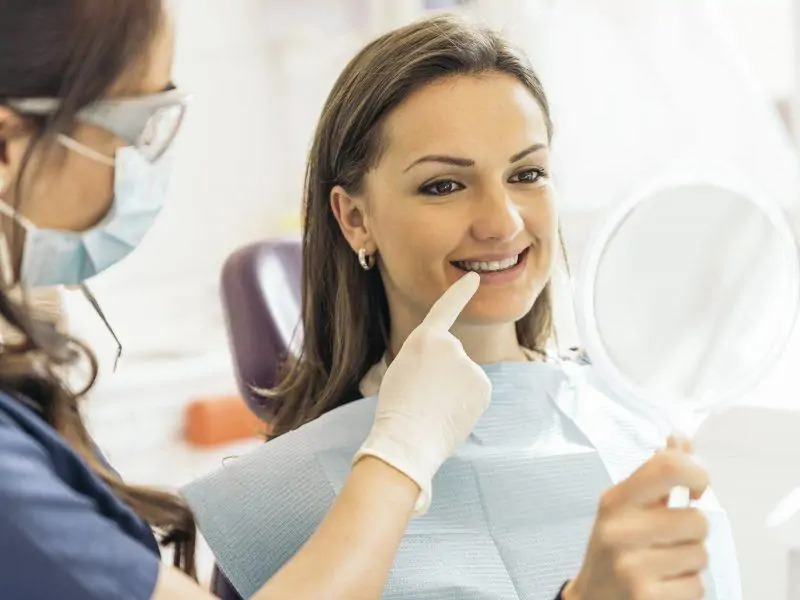
Elite Dental Group is a dental clinic that uses digital technologies and follows established safety protocols throughout the Invisalign treatment process.
Our team of dentists is trained in providing Invisalign treatment and stays updated on developments in clear aligner technology to inform patient care.
Besides our technical expertise, we understand that every patient has different needs and goals.
That is why we take a personalized approach to Invisalign treatment, tailoring every step of the process to your individual case. From the initial consultation to the end of treatment, we work with you to develop a plan that addresses your concerns and treatment objectives.
Our practice also utilizes modern technology for your Invisalign treatment. This includes digital scanning to produce 3D models of your teeth and the 3Shape scanner to generate a visual simulation of the proposed treatment outcome prior to treatment.
Elite Dental Group is dedicated to supporting you through every stage of your Invisalign treatment journey.
Who will be doing Invisalign treatment for you at Elite Dental Group?
At Elite Dental Group, our clinicians use a range of dental technology tools to provide restorative and cosmetic dentistry services for your oral health needs.
Your Invisalign treatment will be done by Dr Thira Wong.
To view a full list of our dental clinicians who are able to provide specific dental treatment care for you, please refer to the list below:
| Dental Surgeons | Dental implants to replace broken, loosened and dislodged teeth. Wisdom tooth surgery for removal of wisdom tooth. | Dr Gerald Tan |
|---|---|---|
| | Dental fillings for dental caries and root canal treatment to restore the health of your teeth. | Dr Thira Wong |
| | Restorative dentistry procedures with a focus on root canal treatment. | Dr Benjamin Chan |
| Dental Specialists | Jaw surgery | Dr Lai Juen Bin |
Dental Surgeons
Dr Gerald Tan
- Dental implants to replace broken, loosened and dislodged teeth.
- Wisdom tooth surgery for removal of wisdom tooth.
Dr Thira Wong
- Dental fillings for dental caries and root canal treatment to restore the health of your teeth.
Dr Benjamin Chan
- Restorative dentistry procedures with a focus on root canal treatment.
Dental Specialists
Dr Lai Juen Bin
- Jaw surgery
HOW CAN WE HELP?
Heading to a dental clinic can be a scary and almost overwhelming experience. If you have landed on our website, we would like to extend our warmest welcome to you and your family. There is nothing to fear!
Should you require further information about our costs of treatment, or are looking for recommendations for your needs, we invite you to a complimentary consultation with our dentists at a time of your convenience.
Frequently
Asked
Questions
Got questions? We’ve got answers! Check out our FAQ section for common inquiries and helpful information to guide you.
Am I suitable for Invisalign?
Your suitability for Invisalign depends on several factors that we need to evaluate during a comprehensive dental examination. First, we will assess the complexity of your orthodontic issues. Invisalign can effectively treat many cases of crowding, spacing, and mild to moderate bite problems. However, severely complex malocclusions might require traditional braces.
We also need to consider your oral health. Healthy teeth and gums are crucial for successful Invisalign treatment. If you have active gum disease or untreated cavities, we will need to address these issues before starting Invisalign.
Your lifestyle and commitment level are important factors too. Invisalign requires you to wear the aligners for 20-22 hours a day and change them as directed. If you think you might struggle with this level of compliance, traditional braces might be a better option.
Age is generally not a limiting factor, but we will consider your overall dental development. For younger patients, we need to ensure all adult teeth have erupted.
Ultimately, the best way to determine your suitability is through a consultation. We can examine your teeth, discuss your goals, and use advanced imaging to create a customized treatment plan. This will help us decide if Invisalign is the right choice for your unique smile.
Is there an age limit for Invisalign treatment?
There is no strict age limit for Invisalign treatment. This innovative orthodontic solution may be effective for patients across a wide age range, from teenagers to seniors. However, there are some age-related considerations we need to keep in mind when determining if Invisalign is right for you.
For younger patients, we typically recommend waiting until all permanent teeth have erupted. This usually occurs around age 12-13, but it can vary from person to person. In some cases, we might use Invisalign First, a treatment designed specifically for growing children aged 6 to 10.
For adults, there is no upper age limit. Many of our older patients choose Invisalign because its discreet appearance fits well with their professional and social lives. However, as we age, our teeth may move more slowly, so treatment might take longer than it would for a younger patient.
It is important to note that regardless of age, the success of Invisalign treatment depends more on your overall oral health and commitment to following the treatment plan. We will assess factors like bone density, gum health, and any existing dental work to determine whether Invisalign is a suitable option for you.
Remember, it is never too late to improve your smile. During your consultation, we can discuss how Invisalign might work for your specific situation, regardless of your age.
What are the different types of Invisalign?
Invisalign offers several treatment options to address various orthodontic needs and lifestyles. The main types of Invisalign treatments include:
Invisalign Full: This is the standard, comprehensive treatment for more complex cases. It uses a full set of aligners worn for about 12-18 months, depending on your specific needs.
Invisalign Lite: Designed for mild to moderate cases, Invisalign Lite uses fewer aligners and typically takes about 6-7 months. It is suitable for minor crowding or spacing issues.
Invisalign Express: This option is for very minor orthodontic issues, usually involving the front six teeth. Treatment typically lasts 3-6 months and uses 5-10 sets of aligners.
Invisalign First: Specifically designed for growing children aged 6-10, this treatment can address issues like arch development and crowding in mixed dentition.
Invisalign Teen: Similar to Invisalign Full but with special features for teenagers, such as eruption tabs for emerging teeth and compliance indicators.
Invisalign i7: A quick treatment option for very minor tooth movements, using just seven sets of aligners over about three months.
During your consultation, we will assess your specific orthodontic needs and lifestyle factors to determine which Invisalign option is most suitable for you. Each type offers the same clear, removable aligner technology, but with treatment lengths and complexity tailored to different patient needs.
What is the difference between Invisalign and other clear aligner brands?
While there are several clear aligner brands available, Invisalign uses specific materials and software systems that differ from those used by other brands:
Technology: Invisalign uses proprietary SmartTrack material and SmartForce attachments. These are intended to guide tooth movement in accordance with the treatment plan and are designed for ease of removal.
Treatment Planning: Invisalign employs 3D imaging and AI-powered software for treatment planning. This ClinCheck software allows us to visualize your entire treatment process and make adjustments before we even start.
Experience and Research: Invisalign has been in use for over 20 years and has been provided to a large number of patients worldwide. Data collected from past cases is used in the ongoing development of the system.
Versatility: Invisalign may be used for various orthodontic concerns, including some complex cases.
Professional Oversight: Invisalign treatment is always supervised by a trained dental professional, who can monitor progress and make adjustments as needed.
The choice between Invisalign and other brands depends on your specific needs, budget, and the complexity of your case. During your consultation, we can discuss the pros and cons of different options to help you make an informed decision.
What is the difference between Invisalign and braces?
Invisalign and traditional braces differ in several key aspects:
Appearance: Invisalign aligners are clear in appearance, which may be preferred by some adults and teens who are concerned about visibility. Traditional braces use metal brackets and wires, which are more easily seen.
Removability: Invisalign aligners are removable, allowing you to eat, drink, brush, and floss without restrictions. Braces are fixed to your teeth throughout the treatment.
Comfort: Many patients find Invisalign more comfortable as there are no wires or brackets that can irritate the mouth. The smooth plastic of Invisalign aligners is generally less abrasive to cheeks and gums.
Treatment Time: Treatment duration can vary, but Invisalign often requires fewer office visits and can sometimes achieve results faster than braces for certain cases.
Oral Hygiene: Maintaining good oral hygiene is typically easier with Invisalign since you can remove the aligners to brush and floss normally.
Compliance: Invisalign requires discipline to wear the aligners 20-22 hours per day. With braces, compliance is less of an issue since they are always on your teeth.
Effectiveness: While Invisalign can treat many orthodontic issues, very complex cases might still require traditional braces.
Cost: Invisalign is often comparable in price to braces, but costs can vary depending on your specific case.
The choice between Invisalign and braces depends on your specific orthodontic needs, lifestyle preferences, and commitment level. During your consultation, we can discuss which option might be best suited for your unique situation.
Are the results of Invisalign permanent?
Maintaining your new smile requires ongoing effort. After completing your Invisalign treatment, your teeth will be in their new, desired positions. However, teeth naturally have a tendency to shift back towards their original positions over time. This is why retention is a crucial part of any orthodontic treatment, including Invisalign.
To help maintain your results, you will need to wear retainers after your Invisalign treatment is complete. Initially, you may need to wear these retainers full-time, except when eating or cleaning your teeth. Over time, you may be able to transition to wearing them only at night.
The length of time you will need to wear retainers varies from person to person. Some patients may need to wear retainers indefinitely to maintain their results, while others may only need them for a few years. Factors that can influence this include your age, the severity of your original misalignment, and your individual oral biology.
It is also important to maintain good oral hygiene and attend regular dental check-ups. This allows us to monitor your teeth and make any necessary adjustments to your retention plan.
Remember, your commitment to wearing your retainers as directed is key to maintaining your Invisalign results long-term. With proper care and maintenance, you can enjoy your new smile for years to come.
Does Invisalign hurt?
Invisalign is generally considered to be a more comfortable orthodontic treatment compared to traditional braces. However, it is normal to experience some discomfort or pressure, especially in the first few days of wearing a new set of aligners. This sensation is actually a sign that your treatment is working – it is your teeth responding to the gentle forces applied by the aligners.
When you first start Invisalign treatment, you may notice a feeling of tightness or pressure on your teeth. This typically subsides within a few days as your mouth adjusts to wearing the aligners. Some patients also report a slight lisp when they first start wearing their aligners, but this usually goes away quickly as you get used to speaking with them in.
Each time you switch to a new set of aligners (typically every 1-2 weeks), you might experience a similar sensation of pressure for a day or two. This is normal and indicates that your teeth are moving into their new positions.
It is important to note that while you may feel some discomfort, Invisalign should not cause severe pain. If you experience intense or persistent pain, you should contact our office right away.
To minimize discomfort, try switching to new aligners before bed. This way, you will sleep through the initial adjustment period. You can also use over-the-counter pain relievers if needed. Remember, any minor discomfort is temporary and is a sign of progress towards your new smile.
Do I need to extract teeth or shave my teeth down for Invisalign?
The need for tooth extraction or interproximal reduction (IPR), sometimes called tooth shaving, depends on your individual case and treatment plan. In many Invisalign cases, neither of these procedures is necessary. However, there are situations where they might be recommended to achieve the best possible results.
Tooth Extraction: In cases of severe crowding, where there simply is not enough space in the jaw to align all teeth properly, extraction of one or more teeth might be necessary. This is not unique to Invisalign – it can also be required with traditional braces. The decision to extract is always made carefully, considering factors like your facial profile, bite, and long-term dental health.
Interproximal Reduction (IPR): This procedure involves removing a small amount of enamel from between teeth to create additional space. It is often used as an alternative to extraction in cases of mild to moderate crowding. IPR is a conservative approach – typically, less than half a millimeter of enamel is removed, which does not significantly impact tooth structure or increase sensitivity.
Both of these procedures, if needed, are performed before or during your Invisalign treatment. They’re not routinely required for every patient. During your initial consultation and treatment planning, we will thoroughly examine your teeth and jaw structure. If we determine that extraction or IPR would benefit your treatment, we will discuss this with you in detail, explaining the reasons and expected outcomes.
Our goal is to provide treatment that minimises the extent of intervention where appropriate. Any recommendations for extraction or IPR will be made with your overall oral health and treatment outcomes in mind.
Why do I need healthy teeth and gums before proceeding with Invisalign treatment?
Having healthy teeth and gums is crucial before starting any orthodontic treatment, including Invisalign. This requirement is not just a precaution – it is essential for the safety and success of your treatment.
Firstly, orthodontic treatment involves moving your teeth through the bone. This process puts stress on your teeth and surrounding tissues. If your teeth or gums are compromised by decay or gum disease, this added stress could exacerbate these issues, potentially leading to tooth loss or other serious complications.
Gum health is particularly important. Healthy gums provide a strong foundation for your teeth. If you have active gum disease, the supporting structures of your teeth are already weakened. Moving teeth in this condition could lead to further bone loss and gum recession.
Additionally, Invisalign aligners fit snugly over your teeth. If you have untreated cavities or gum disease, the aligners could trap bacteria against your teeth, accelerating decay or gum problems.
From a treatment perspective, starting with healthy teeth and gums allows us to focus solely on moving your teeth into their correct positions. We will not need to pause or adjust your treatment to address developing dental issues.
Lastly, Invisalign requires a commitment to excellent oral hygiene. You will need to remove your aligners to eat and drink, then brush and floss before reinserting them. Starting with good oral health habits makes this routine easier to maintain throughout your treatment.
Before beginning Invisalign, we will perform a comprehensive dental exam. If we identify any issues, we will address them first to ensure you are in optimal dental health for a successful orthodontic journey.
Who is a good candidate for Invisalign?
A good candidate for Invisalign is someone who meets several criteria related to their oral health, orthodontic needs, and personal characteristics.
Firstly, ideal candidates have good overall oral health. This means no active gum disease or untreated cavities. If you do have these issues, we can address them before starting Invisalign treatment.
In terms of orthodontic needs, Invisalign can correct various issues, including crowding, spacing, and mild to moderate bite problems. However, very complex cases or severe malocclusions might be better suited to traditional braces.
Age is not typically a limiting factor for Invisalign. Teens and adults can both be excellent candidates. For younger patients, we need to ensure all permanent teeth have erupted or account for erupting teeth in the treatment plan.
Good candidates for Invisalign are also committed to following the treatment plan. This means wearing the aligners for 20-22 hours per day and changing them as directed. If you think you might struggle with this level of compliance, traditional braces might be a better option.
Lifestyle factors can also influence candidacy. If you play contact sports that require a mouthguard, or if you play certain wind instruments, Invisalign might be more challenging to manage.
Lastly, good candidates have realistic expectations about the treatment process and outcomes. While Invisalign can help improve your smile, it is important to understand the limitations and required maintenance.
During your consultation, we will assess all these factors to determine if you are a good candidate for Invisalign. If Invisalign is not the best option for you, we can discuss alternative treatments like braces to help you achieve your smile goals.
What is the difference between self-directed clear aligner treatments and dentist-directed clear aligner treatments like Invisalign?
The main difference between self-directed clear aligner treatments and dentist-directed treatments like Invisalign lies in the level of professional oversight and customization involved.
Self-directed treatments, often marketed as do-it-yourself or at-home aligners, typically involve taking your own dental impressions or 3D scans at home. A remote team then creates your aligners based on these impressions. While these treatments are generally less expensive, they lack direct professional supervision.
In contrast, dentist-directed treatments like Invisalign involve comprehensive in-person evaluations and ongoing professional oversight. Here are some reasons why this matters:
Diagnosis: A thorough in-person examination allows us to detect underlying issues that may not be visible in home impressions or scans. We can identify and address problems like gum disease, tooth decay, or jaw issues before they complicate your treatment.
Customization: With Invisalign, we use 3D imaging and AI-powered software to create a highly customized treatment plan. We can make real-time adjustments based on how your teeth are responding to treatment.
Monitoring: Regular check-ups allow us to track your progress and make any necessary adjustments to your treatment plan.
Complexity: Invisalign can treat various orthodontic issues, including more complex cases that self-directed treatments may not be equipped to handle.
Safety: Professional oversight helps prevent potential complications that could arise from moving teeth without proper evaluation and monitoring.
While self-directed treatments may seem convenient and cost-effective, they may not provide the same level of care and customization as dentist-directed treatments like Invisalign. Your oral health is too important to leave to chance. Professional supervision allows for monitoring throughout the process and adjustments based on the progress of your case.
Why is Invisalign so expensive?
The cost of Invisalign reflects factors such as the technology used, the customised treatment planning, and the involvement of dental professionals in the process. While it may seem expensive at first glance, it is important to understand what you are investing in.
Firstly, Invisalign uses proprietary technology and materials. The SmartTrack material used in Invisalign aligners was developed through research and is intended to guide tooth movement in line with the treatment plan.
The treatment planning process involves 3D imaging and software (ClinCheck) to develop a customised plan. This software can generate a visual representation of the proposed treatment stages and allows for adjustments before the aligners are produced.
Professional oversight is a crucial component of Invisalign treatment as well. Treatment is carried out by accredited dentists or orthodontists who monitors progress and makes adjustments as needed.
Let’s Book
An Appointment!
I want to keep my teeth strong and healthy.
The only dental newsletter that
keeps you filling good about your teeth.
I want to keep my teeth strong and healthy.